What Bobbin Thread to Use for Machine Embroidery
Use the bobbin thread type and bobbin class your machine manual specifies. Many embroidery setups use a fine, lightweight bobbin thread, but the correct class and weight depend on the machine.
On this page (7 sections)
- What bobbin thread should you use for machine embroidery?
- How do you choose the right bobbin class?
- Is 60 wt or 90 wt bobbin thread better?
- Are prewound bobbins a good choice?
- Should the bobbin thread match the top thread?
- What can cause bobbin thread problems?
- How do you pick embroidery machine bobbin thread?
Use the bobbin thread type and class your machine manual specifies. Embroidery machine bobbin thread requirements vary by machine, so check the manual before choosing a thread or prewound bobbin.
The top thread forms the visible embroidery, while bobbin thread helps form stitches from the underside. Check the manual if stitches look uneven before changing thread or adjusting tension.
What bobbin thread should you use for machine embroidery?
Use embroidery bobbin thread that matches your machine's recommended weight, material, and bobbin class. Some machines accept prewound bobbins, while others call for a specific thread or winding method.
A fine thread is common because it can reduce bulk on the back of a dense design. That doesn't mean one weight fits every machine.
The manual is the best source for the right thread and bobbin type.
If you’re building your setup, our guide to machine embroidery thread sets covers top thread choices and color kits. For other basic gear, see what you need to start machine embroidery.
How do you choose the right bobbin class?
Match the bobbin's class or type to the machine, not just its appearance. Class 15 and SA156 are names used for one common size, while Type L is a different style that fits particular machines.
Check the manual for the class name, dimensions, and whether your machine accepts prewound bobbins. If the instructions name a specific style, use that information when shopping and avoid guessing from a bobbin that looks similar.
Is Class 15 or SA156 the same as Type L?
No. Class 15 or SA156 and Type L refer to different bobbin types.
A Type L bobbin may fit some commercial and home machines, but it isn't a universal replacement for a Class 15 bobbin.
For example, brothread's Size A prewound bobbins are labeled Class 15 (SA156) and list compatibility with several home sewing and embroidery machine brands. Its Type L pack is described for particular commercial and home machines, with a reminder to check the manual.
Is 60 wt or 90 wt bobbin thread better?
Choose the weight your machine maker recommends. The 90 wt thread in the two larger brothread packs is a different weight from the 60 wt thread in the smaller Size A pack, but that alone doesn't tell you which one your machine needs.
The brothread 25-pack uses 70D/2 polyester labeled 60 wt. Its 144-pack Size A bobbins use spun polyester labeled 90 wt, while its 144-pack Type L bobbins also use spun polyester labeled 90 wt.
Follow your manual if stitches look uneven. Rethread and check the needle, bobbin placement, and tension settings as the manual directs.
Are prewound bobbins a good choice?
Prewound bobbins save winding time when they match your machine's required class and thread type. They can help you keep ready-to-use bobbins on hand.
A smaller pack may suit you if you want to try a compatible bobbin type before stocking up. The 25-count Size A pack has clear plastic sides, and its clear case helps collect and sort bobbins.
Choose a larger pack if you know which bobbin type works for your machine. The 144-count Size A option is 90 wt spun polyester, while the 144-count Type L option is intended for machines that accept that type.
If you prefer winding your own, follow your machine's bobbin-winding steps and use the thread recommended in its manual. Don’t assume that a prewound bobbin and a wound bobbin work the same way in every machine.
Should the bobbin thread match the top thread?
Bobbin thread can be a different color from the top thread. The top thread is the visible color on the front, while bobbin thread mainly appears on the back.
White bobbin thread is one option, but check the design instructions and consider how the back will be used. If both sides will show, or the project calls for a specific color, choose thread accordingly.
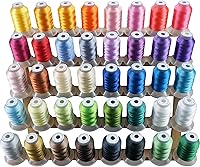
For top-thread colors, the Simthread kit has 63 colors of 40 wt polyester embroidery thread, with spools labeled with Brother color numbers and a color chart. It's a top-thread kit, not a substitute for the bobbin thread your machine requires.
What can cause bobbin thread problems?
Incorrect bobbin class, poor placement, lint, or a threading issue can disrupt stitching. Check your machine manual before changing tension or replacing the thread.
Remove and reseat the bobbin, confirm it unwinds in the direction the manual specifies, and clear lint from the bobbin area as instructed. Use a needle suited to the fabric and thread, and rethread the top thread with the presser foot raised if your manual calls for it.
If the underside shows loops, the top thread may be incorrectly threaded or the tension may need attention. If bobbin thread pulls through to the front, check the bobbin placement and tension settings before changing thread weight.
Stabilizer can also affect stitch quality by supporting the fabric during embroidery. Our guides to tear-away stabilizers and embroidery file formats cover two other parts of the setup.
How do you pick embroidery machine bobbin thread?
Use your machine manual to confirm the class, material, and weight for embroidery machine bobbin thread. Choose the 25-count Size A pack if you want a smaller compatible pack, or a 144-count option once you know whether your machine needs Size A or Type L.
Keep top thread and bobbin thread choices separate: a multicolor kit helps with visible design colors, while the bobbin should follow your machine's requirements. When stitching problems appear, check threading, placement, needle, and stabilizer before trying a different bobbin weight.
Frequently asked questions
What thread should I use in an embroidery machine bobbin?
Use the bobbin thread type and weight your machine manual recommends. Embroidery bobbin thread is often finer than the top thread, which helps keep the back of a design from getting bulky, but your machine may call for a specific material or prewound bobbin.
Can I use regular thread in an embroidery bobbin?
Sometimes, but follow your machine manual rather than assuming regular sewing thread will work. A different weight or material can affect tension, stitch formation, or the design's back, so use a thread intended for your machine's bobbin system when the manual specifies one.
Are prewound bobbins better for machine embroidery?
Prewound bobbins save winding time and give you a ready-to-use bobbin, but you still need the correct class and thread type for your machine. Check the manual and the bobbin dimensions before buying, especially when choosing between Class 15 or SA156 and Type L.
Should embroidery bobbin thread match the top thread?
Usually, the bobbin thread does not need to match the top thread color because it is mainly meant to show on the back. Follow the design and machine instructions, and use matching colors only when the back will be visible or the project calls for it.